HMP Support
Supporting Veterans in Custody and Beyond
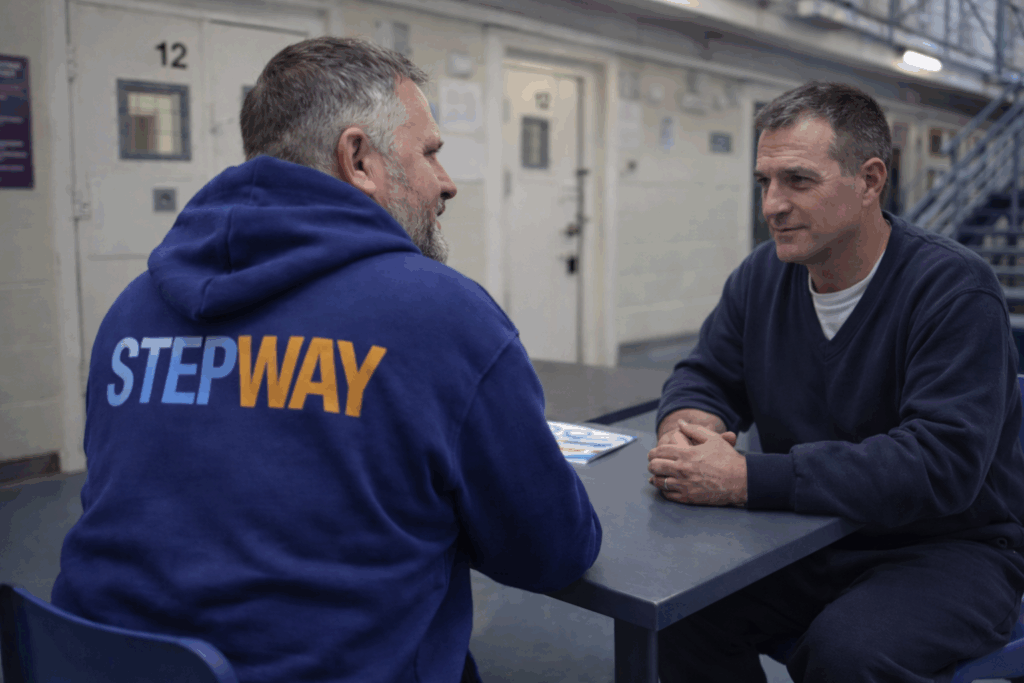
STEPWAY supports veterans in custody and after release through prison in-reach, homelessness prevention, release planning, warm referrals and community resettlement support.

Self-referrals | GP referrals | Justice referrals | Warm referrals
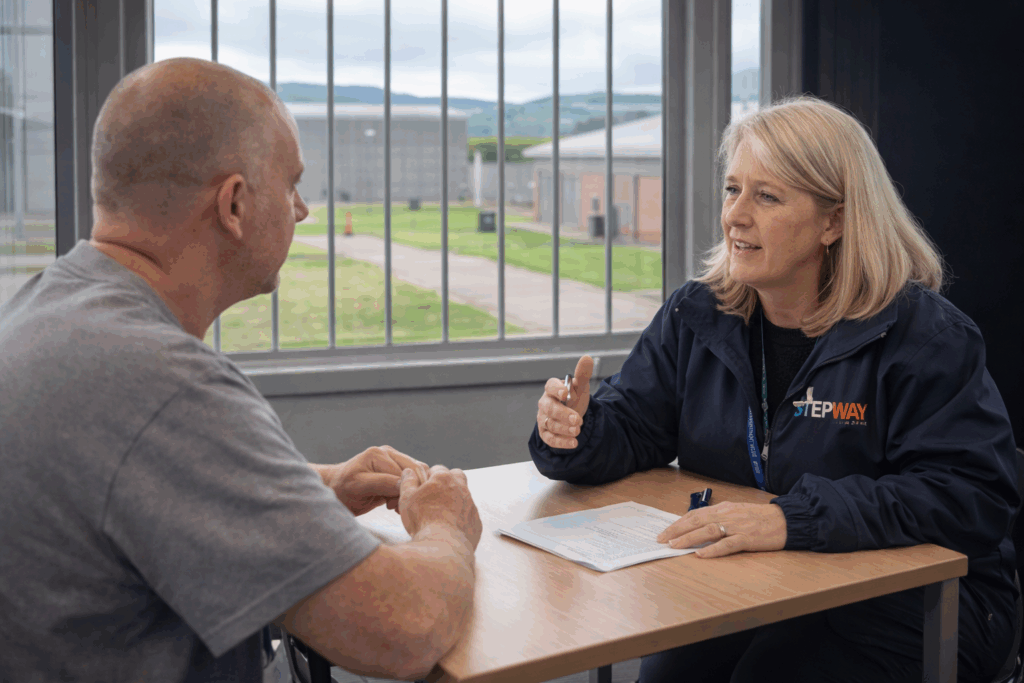
STEPWAY provides practical, relationship-based support to veterans in custody and continues that support after release.
Our HMP support work is designed to reduce homelessness, lower the risk of recall, improve release outcomes, and help veterans move towards stability, independence and long-term resettlement. STEPWAY works in prisons across the West Midlands and supports veterans both before and after they leave custody.
What We Do
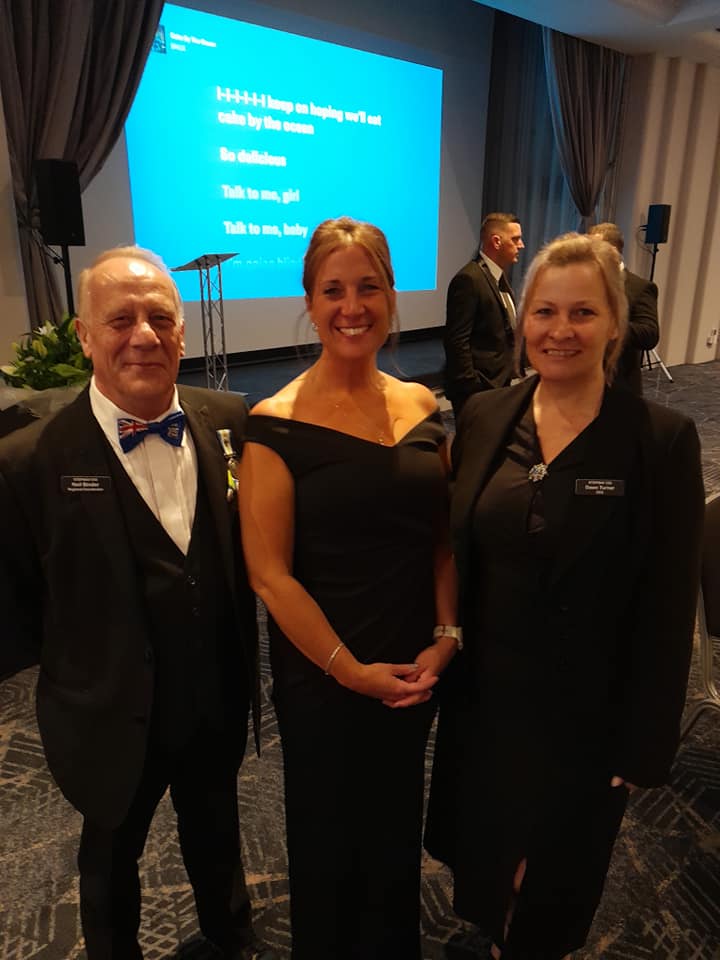
STEPWAY supports veterans at different stages of their journey, from custody through to release and resettlement in the community.
Our work includes:
- Prison in-reach support
- Health and wellbeing assessments
- Release planning
- Warm referrals to relevant services
- Support with housing pathways
- Through-the-gate support
- Ongoing community-based support after release
- Support into training, employment and independence
This is not a light-touch service. It is a joined-up pathway that supports veterans
Support in Prison
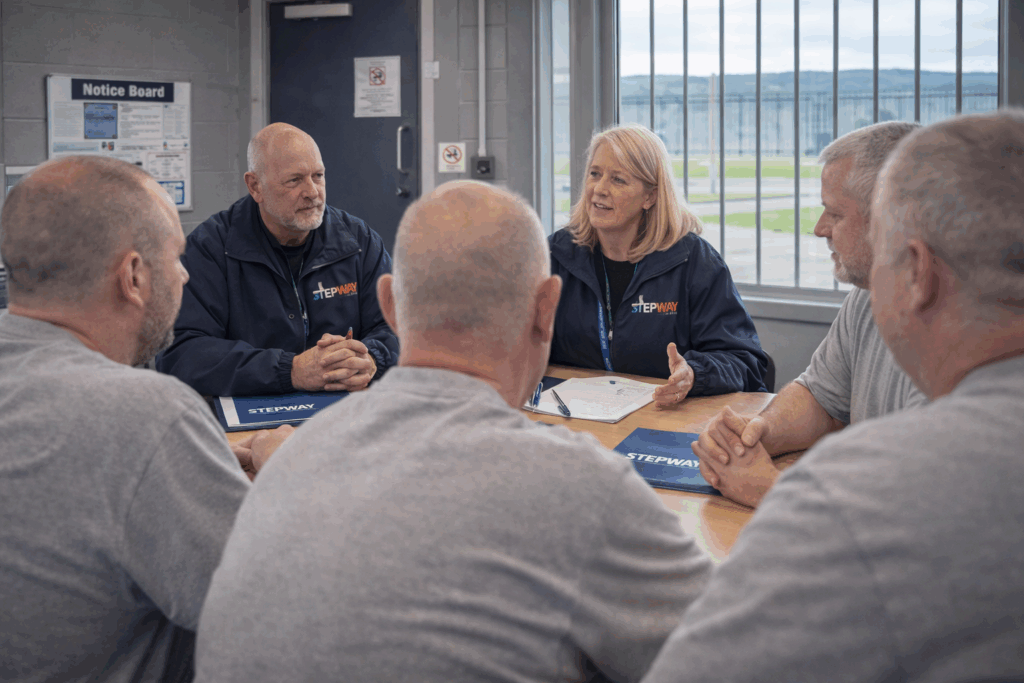
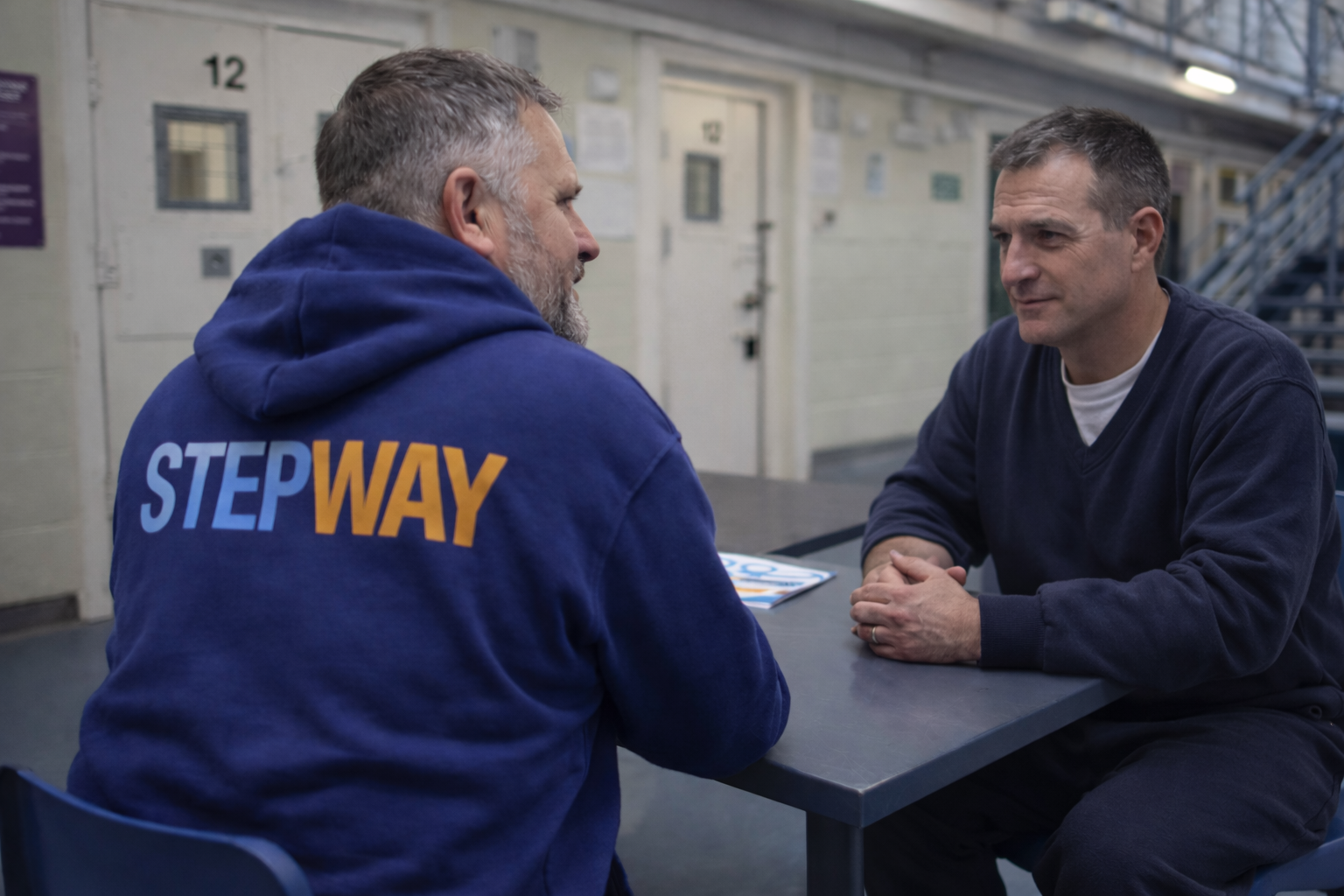
STEPWAY attends veteran forums in the prisons where we are active and works alongside the Veteran in Custody Support Officer to identify need and coordinate support.
While in custody, STEPWAY speaks directly with veterans about their personal circumstances, risks, housing concerns, release plans and wider support needs. We complete registration forms and health and wellbeing assessments, provide contact details so veterans can stay in touch, and maintain ongoing contact where appropriate
Support in Prison
STEPWAY attends veteran forums in the prisons where we are active and works alongside the Veteran in Custody Support Officer to identify need and coordinate support.
While in custody, STEPWAY speaks directly with veterans about their personal circumstances, risks, housing concerns, release plans and wider support needs. We complete registration forms and health and wellbeing assessments, provide contact details so veterans can stay in touch, and maintain ongoing contact where appropriate
Through the Gate and After Release
STEPWAY support does not end at the prison gate.
Once someone is released, we continue to provide practical and ongoing support to help prevent people from falling between prison, probation, housing and community services. This includes working with local councils, housing associations, employers and partner organisations to improve housing, training and employment outcomes. STEPWAY also delivers the 7 Step Civilian Skills Program as part of the move towards independence, routine and sustainable resettlement.
A Joined-Up Approach
STEPWAY works through a no wrong door model.
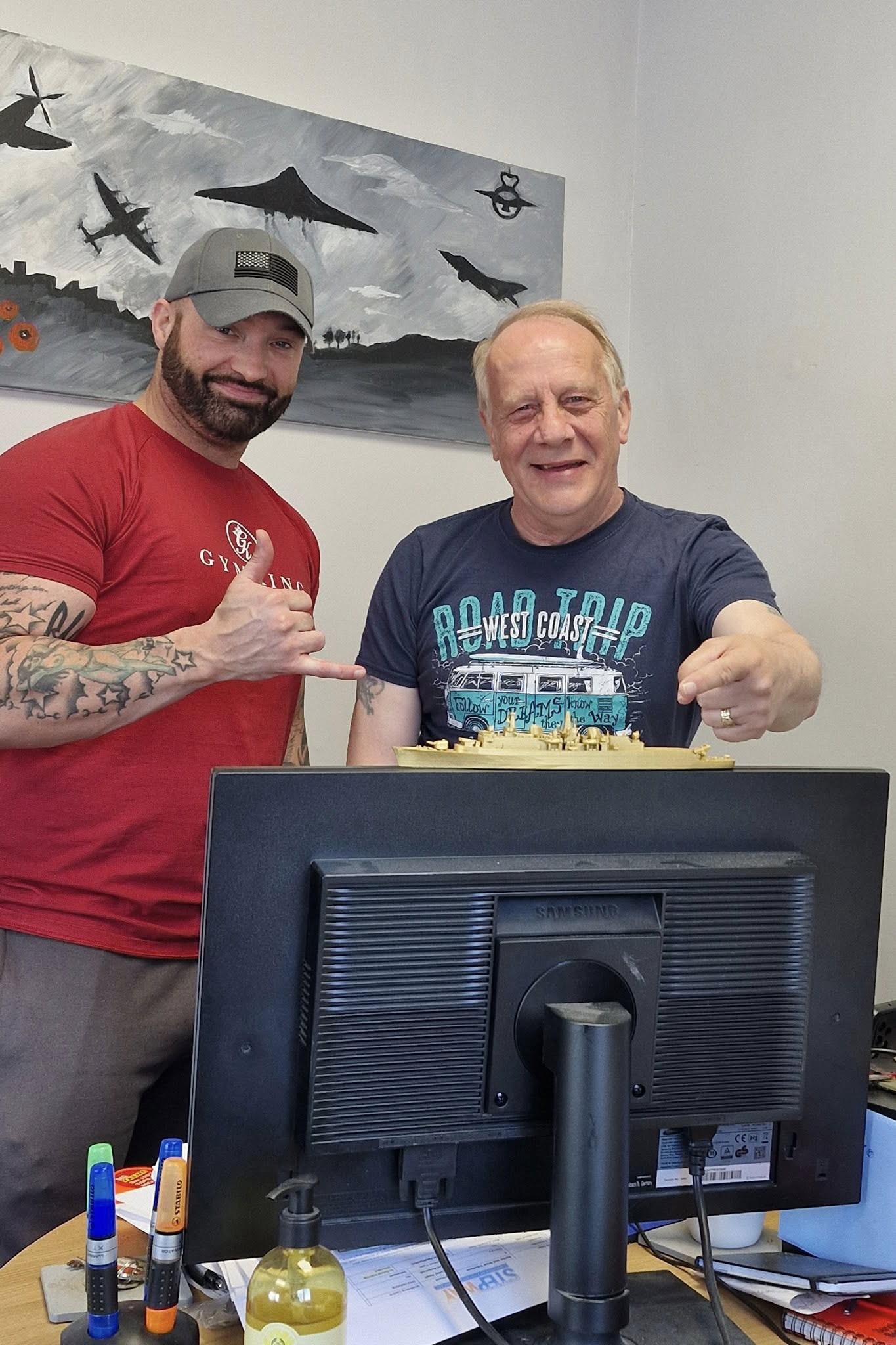
This means we link prison in-reach, release planning, probation coordination, local authority housing routes, specialist charities, employers, and STEPWAY’s own follow-on support into one connected pathway. The aim is to create continuity, reduce risk and strengthen long-term resettlement.
Our partnership approach includes work with:
- Veteran in Custody Support Officers
- National Probation Service
- Local authorities and city councils
- Housing associations
- Partner charities
- Employers and training providers
This joined-up model helps ensure veterans can access the right support at the right time.
Why This Work Matters
Many prison leavers face uncertainty around housing, support and resettlement. Delays in securing Approved Premises or suitable accommodation can increase the risk of recall and homelessness.
STEPWAY’s HMP support work helps tackle these issues early by building relationships in custody, putting plans in place before release, and continuing practical support afterwards. This helps create a more stable pathway back into the community.
Current Reach
STEPWAY currently works in 8 prisons across the West Midlands and attends veteran forums once a month. During this work, STEPWAY engages directly with veterans in custody, completes assessments, coordinates support, and continues contact after release where needed.
Building Stability After Custody
STEPWAY’s aim is not simply to provide a conversation at the point of crisis. It is to help veterans build a more stable future.
By supporting veterans in custody, helping with release planning, reducing housing risk, putting warm referrals in place, and continuing support after release, STEPWAY helps strengthen long-term resettlement and reduce homelessness.
Veteran Voices
Case Study: Finding Strength After Custody
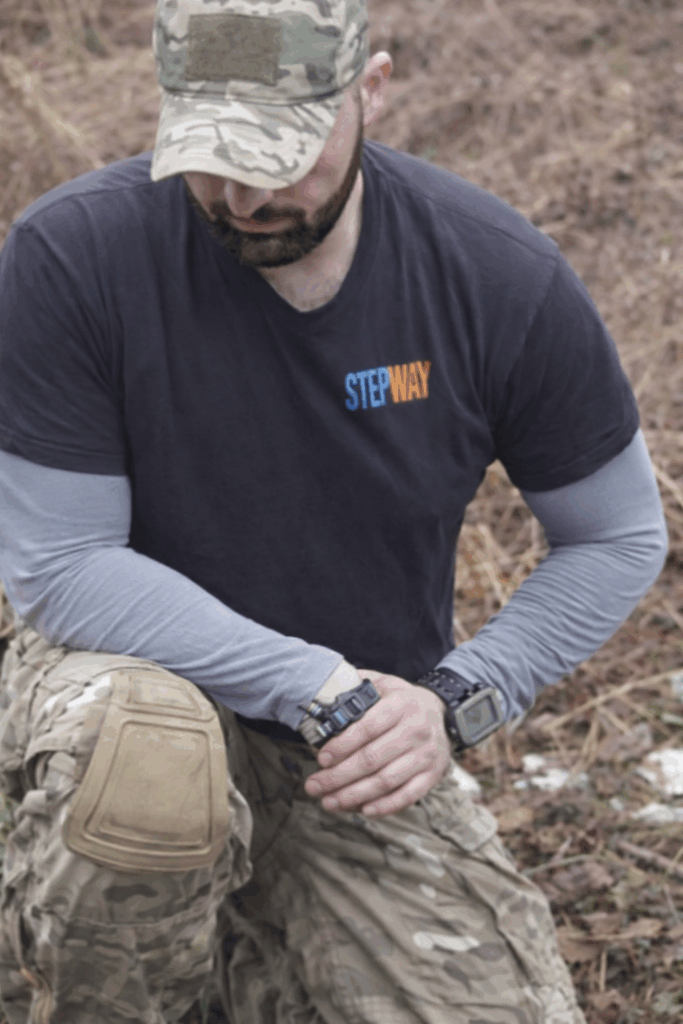
After serving time in custody, James* (Not his real name) was released with little more than a small bag and a heavy weight on his shoulders. He felt lost, unsure of where to turn, and worried that he might end up back inside. The world outside had changed, and he didn’t know where he fit in anymore.
That’s when he was introduced to STEPWAY through the Veteran in Custody Support Officer at his prison. Before his release, STEPWAY carried out a wellbeing assessment and began to build a plan with James — one that focused on housing, health, and reconnecting with purpose.
Once released, James came straight to the West Midlands Wellbeing Centre, where he was met with warmth and no judgement. He had access to hot food, a shower, and someone who listened.
With the help of STEPWAY’s outreach worker and the support of Op Courage NHS, James was able to start addressing his PTSD. He also joined the 7 Step Civilian Skills Program, which helped him rediscover his confidence and build a daily routine. Through the Banter & Brew sessions, he connected with other veterans, which gave him a renewed sense of belonging.
STEPWAY helped me find strength when I needed it most. Their support has given me the confidence to rebuild my life and rediscover a sense of purpose I thought I had lost.”
Today, James is in safe accommodation, working part time with Probation supporting other veterans.
Referral and Contact