ROB’S WATCH
Recognise – Respond – Refer
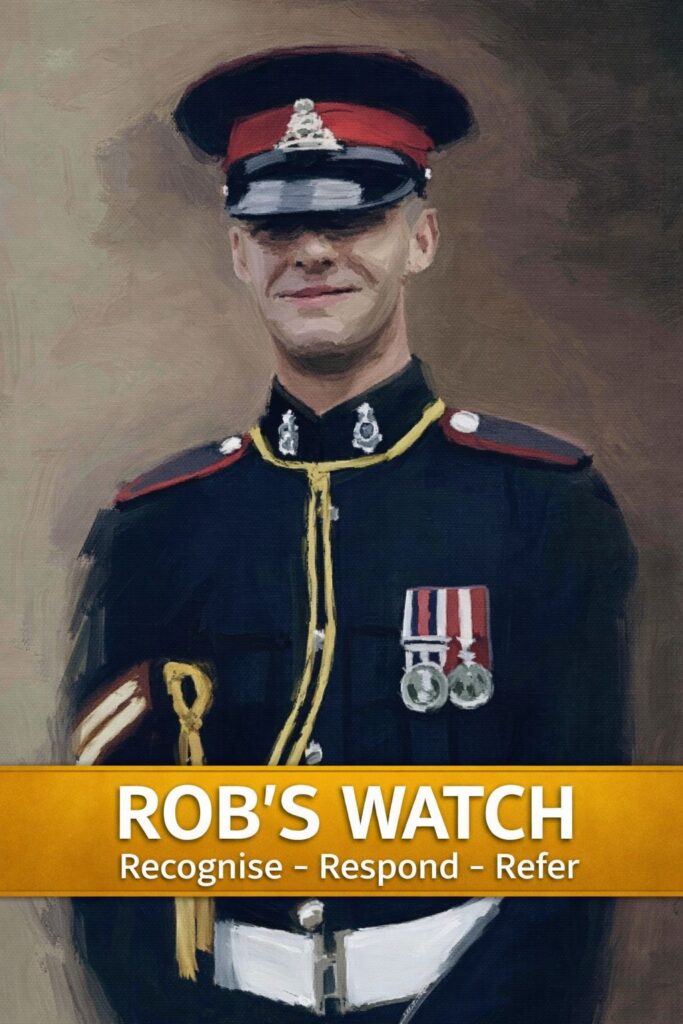
Rob’s Watch is a STEPWAY CIO project funded by the Armed Forces Covenant Fund Trust under the Hidden Voices Programme. The project has been developed in partnership with Small Talk Counselling, led by Dave Latham, to support members of the Armed Forces community and their families who may be struggling with the effects of mild traumatic brain injury, emotional trauma, PTSD, suicide risk, adjustment difficulties, and the hidden impact of military service.
To find out more about the Armed Forces Covenant Fund Trust and the Hidden Voices Programme, please visit:
https://www.covenantfund.org.uk/

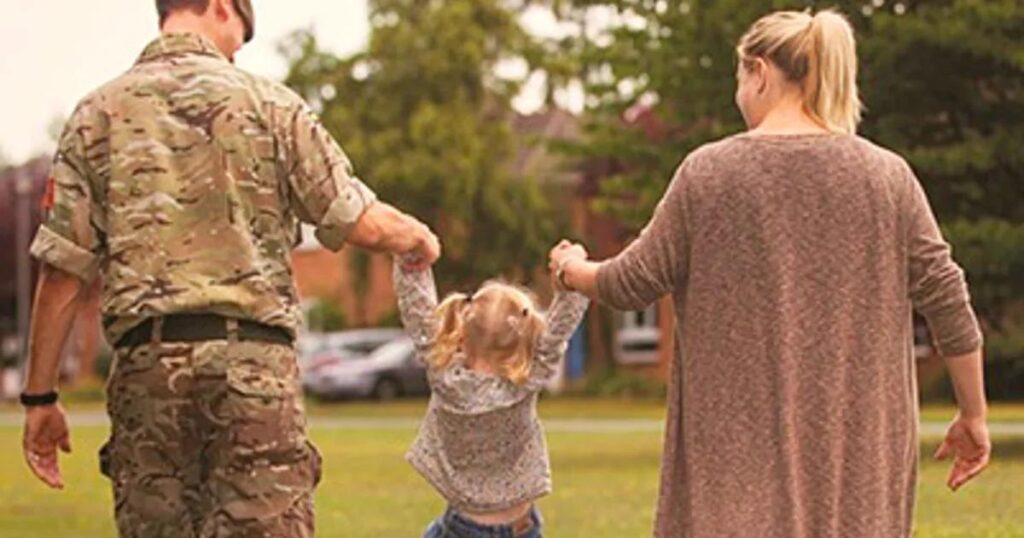
Rob’s Watch was created to provide a safe and supportive pathway where people feel heard, understood, and supported without judgement. Many veterans and family members can spend years struggling with symptoms without fully understanding why they feel the way they do.
For some people, the difficulties may be linked to trauma or PTSD. For others, it may relate to repeated blast exposure, head injuries, operational service, transition into civilian life, stress, bereavement, or family pressures. In many cases, these issues overlap and cannot always be separated into simple categories.
At Rob’s Watch, we believe people should not be treated in silos. Sometimes dual intervention and joined up support can be more effective than focusing on one symptom alone.
Understanding Mild Traumatic Brain Injury (mTBI)
Mild traumatic brain injury, often referred to as mTBI or concussion, can happen after blast exposure, repeated weapons firing, explosions, falls, accidents, training exercises, vehicle incidents, or impacts to the head and body.
Research is now recognising that repeated low level blast exposure over time may affect the brain, even where somebody has never been formally diagnosed with a head injury or knocked unconscious. Symptoms may not always appear immediately and can sometimes develop years later.
For some veterans, symptoms may become more noticeable during transition into civilian life, periods of stress, relationship difficulties, poor sleep, or emotional trauma.
Symptoms may include:
- Memory and concentration difficulties
- Poor sleep or exhaustion
- Headaches
- Anxiety or depression
- Mood swings or irritability
- Feeling overwhelmed
- Emotional numbness
- Difficulty coping in busy environments
- Anger or frustration
- Poor focus
- Isolation or withdrawal
- Relationship difficulties
Many of these symptoms can also overlap with PTSD, trauma, anxiety, and adjustment difficulties. This is why Rob’s Watch takes a compassionate and joined up approach when supporting individuals and families.
Rob’s Watch does not diagnose mTBI or PTSD. Our role is to help people recognise when something may not feel right and support them to access appropriate support pathways, services, and professional advice.

Who Can Access Support?
Rob’s Watch supports:
- Veterans
- Serving personnel
- Reservists
- Family members
- Carers
- Bereaved families within the Armed Forces community
Families and carers are often the first people to notice changes in behaviour, mood, coping ability, or emotional wellbeing. Rob’s Watch recognises that supporting the family as a whole is sometimes just as important as supporting the individual.
What Support Can We Provide?
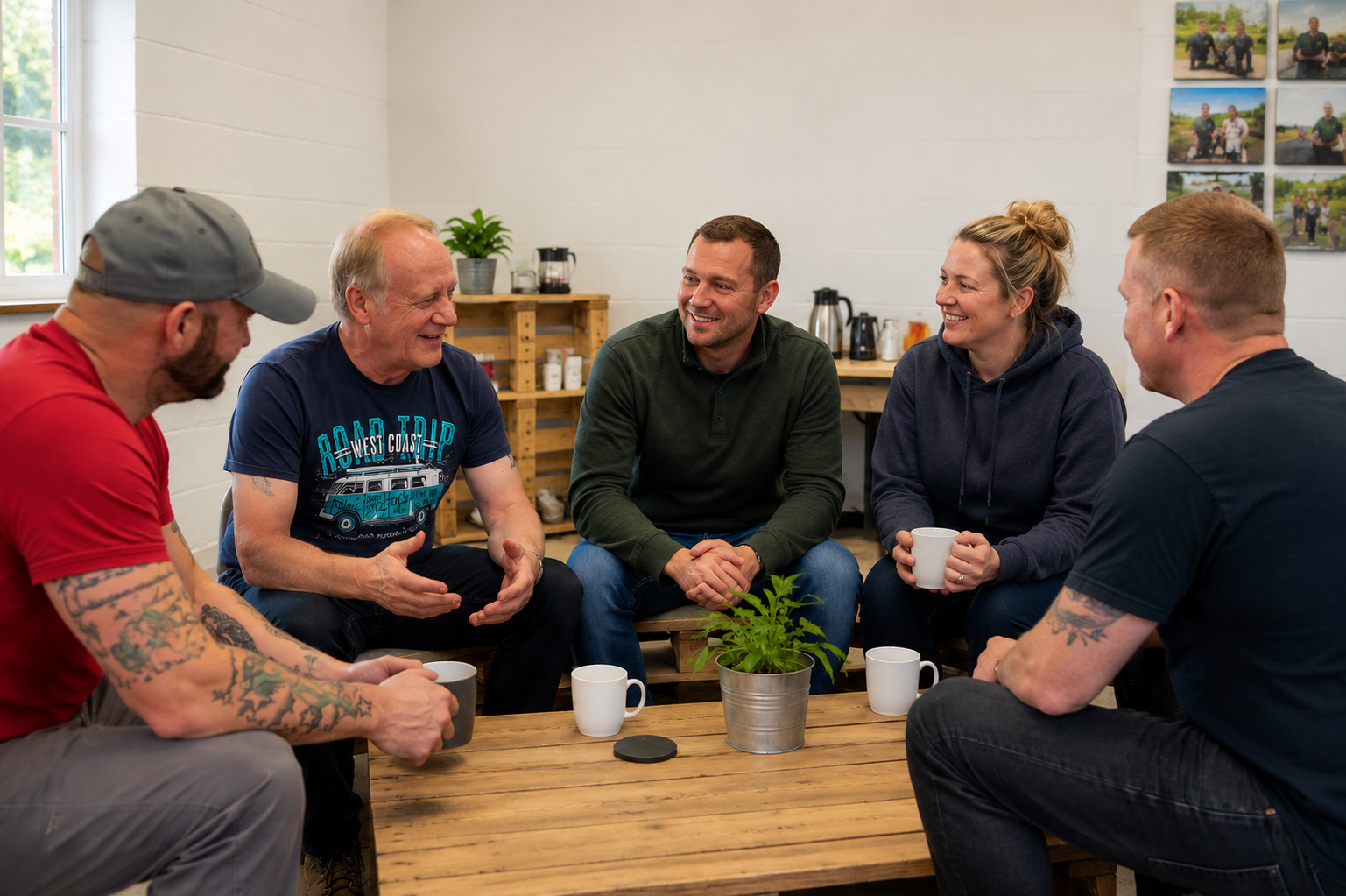
Rob’s Watch offers a safe, supportive, and flexible approach tailored around individual need. Support may include:
- One to one support
- Face to face sessions where appropriate
- Online counselling sessions
- Group therapy and peer support
- Warm referrals into NHS and specialist services
- Support for families and carers
- Emotional wellbeing support
- Signposting and advocacy
- Partnership support with Op COURAGE NHS Veterans’ Mental Health Service and NHS partners
A warm referral means we do not simply hand somebody a phone number and expect them to manage alone. Where appropriate, we help guide individuals through the referral process and support them in accessing the right service safely.
Counselling and Emotional Wellbeing Support
Rob’s Watch works alongside qualified counsellors who understand the challenges that can affect members of the Armed Forces community and their families.
Counselling support is delivered in partnership with Small Talk Counselling, led by Dave Latham, offering safe, compassionate, and professional support tailored around individual need.
Counselling can be offered online, face to face, or within group settings depending on individual need and suitability. Online support can often be helpful for people who may struggle to travel, prefer privacy, or need evening appointments around work or family commitments.
Support sessions provide a safe space to talk openly about emotional wellbeing, trauma, family pressures, stress, bereavement, anxiety, adjustment difficulties, or concerns linked to military service and civilian transition.

Group Therapy and Peer Support
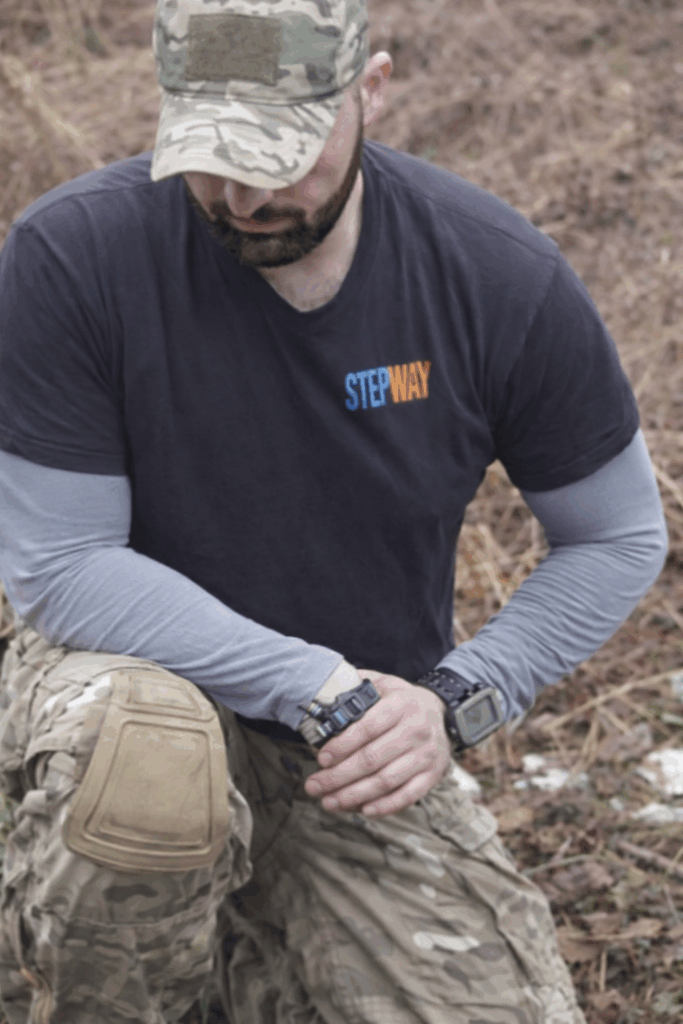
Many people within the Armed Forces community find comfort in speaking with others who understand military life and the challenges that can come with service.
Group sessions and peer support can help reduce isolation, build confidence, encourage connection, and remind people they are not facing things alone.
Working Together
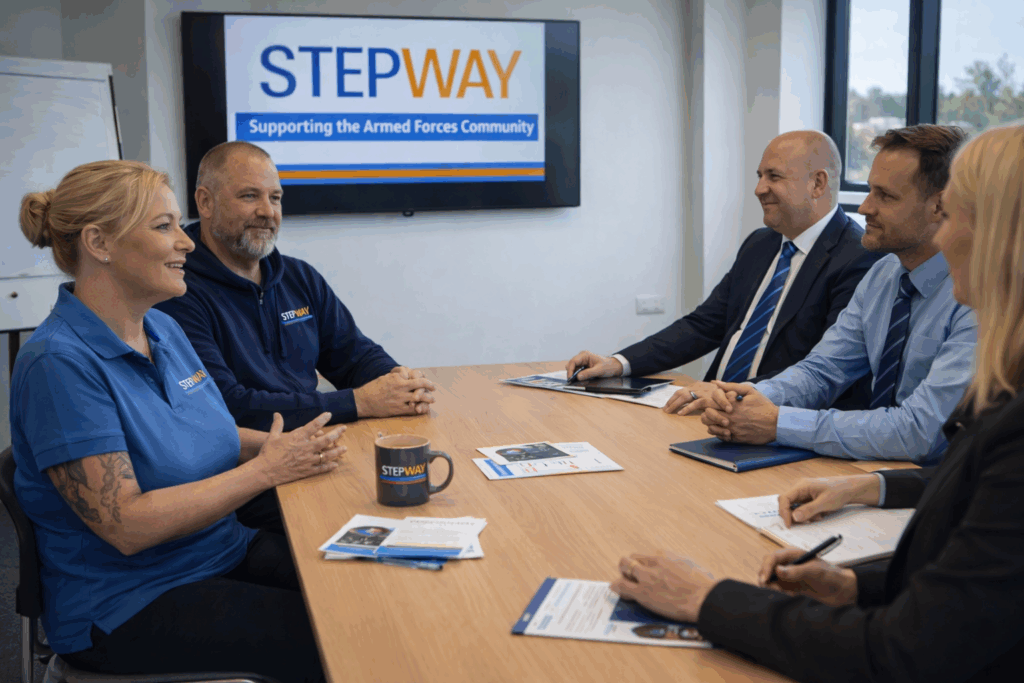
Rob’s Watch works closely with:
- Op COURAGE NHS Veterans’ Mental Health Service
- NHS partners
- Small Talk Counselling
- Counsellors and therapists
- Armed Forces organisations
- Community support services
- STEPWAY CIO wellbeing services
Our aim is to build a supportive network around the individual and their family, helping them move forward at a pace that feels safe and manageable.
Make a Referral
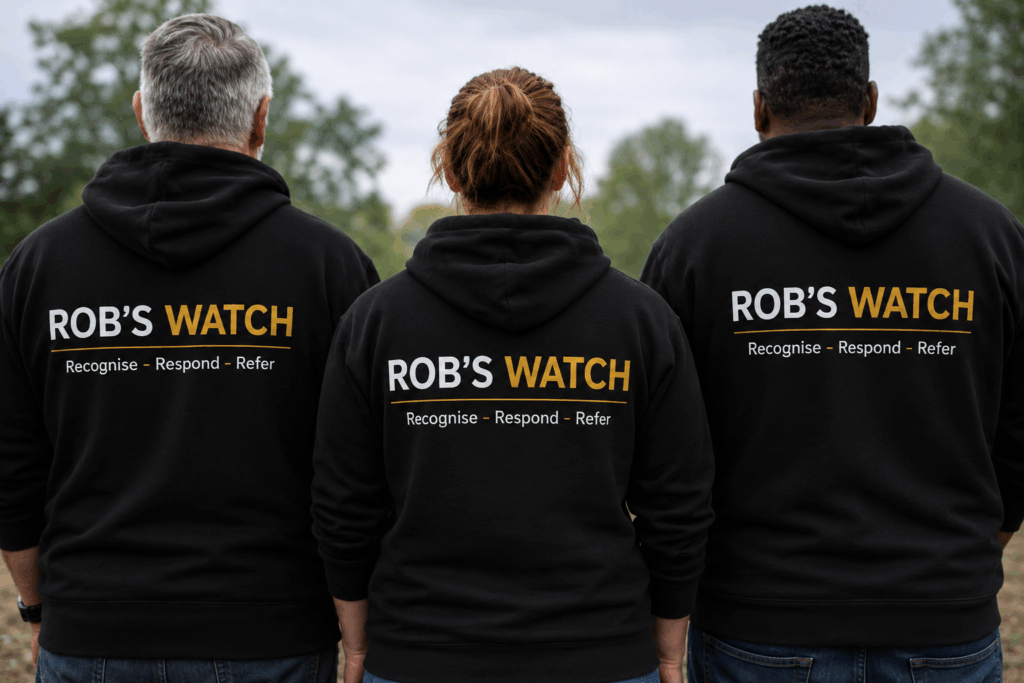
Referrals can be made by:
- Self referral
- Family members
- NHS services
- GPs
- GPs
- Social Prescribers
- Armed Forces charities
- Support organisations
- Other professionals
Once a referral has been received, a member of the Rob’s Watch team will review the information and make contact within 24 working hours.
Important Information
Rob’s Watch is not a crisis or emergency service.
If somebody is in immediate danger or at risk of harm, please call 999.
For urgent mental health support, contact NHS 111 and select the mental health option, contact your GP, or call Samaritans on 116 123.
You are not alone and support is available.

Volunteering and FUNDRAISING FOR STEPWAY–
Enjoy the rewarding experience of raising funds in support of STEPWAY. We’re lucky to have some fantastic sponsors, and we’d love for you to join us. Would you like to learn more about how you can get involved?